Branding & Creative
Branding & Creative for the Built Environment
Strong work does not announce itself. Branding is what makes the market see it.
The manufacturer whose product outperforms everything around it, carrying a brand a decade behind its engineering. The architecture firm whose work speaks for itself to everyone except the new sector it wants to enter. The interior design studio, ready to move upmarket, held back by a brand that still looks like its early work.
This is not a first-impression problem. The companies it affects are established firms and manufacturers with real substance behind them, ready for a brand that matches the business they have become. Branding and creative do the work of closing that gap: a brand that reflects the company at full strength and gives it the flexibility to enter new markets with minimal friction. Not a logo. A position made visible everywhere the company shows up.
Consideration in a category the firm has no projects in yet.
Specifications in applications that used to pass the product by.
The client tier the studio has been ready for, at the fee to match.
A brand that does the first round of selling before anyone picks up the phone.
The result is a brand that finally matches the work behind it.
When the position is clear, the work downstream performs differently. The sales rep walks into a conversation the client already knows the answer to. The editorial placement reinforces a position that already exists in the specifier's mind. The AI response that comes back when a specifier asks who to call reflects a firm or manufacturer whose story is consistent and authoritative across every channel. Position drives pipeline. Pipeline drives selection. Selection drives the next stage of the business.
Business Immersion
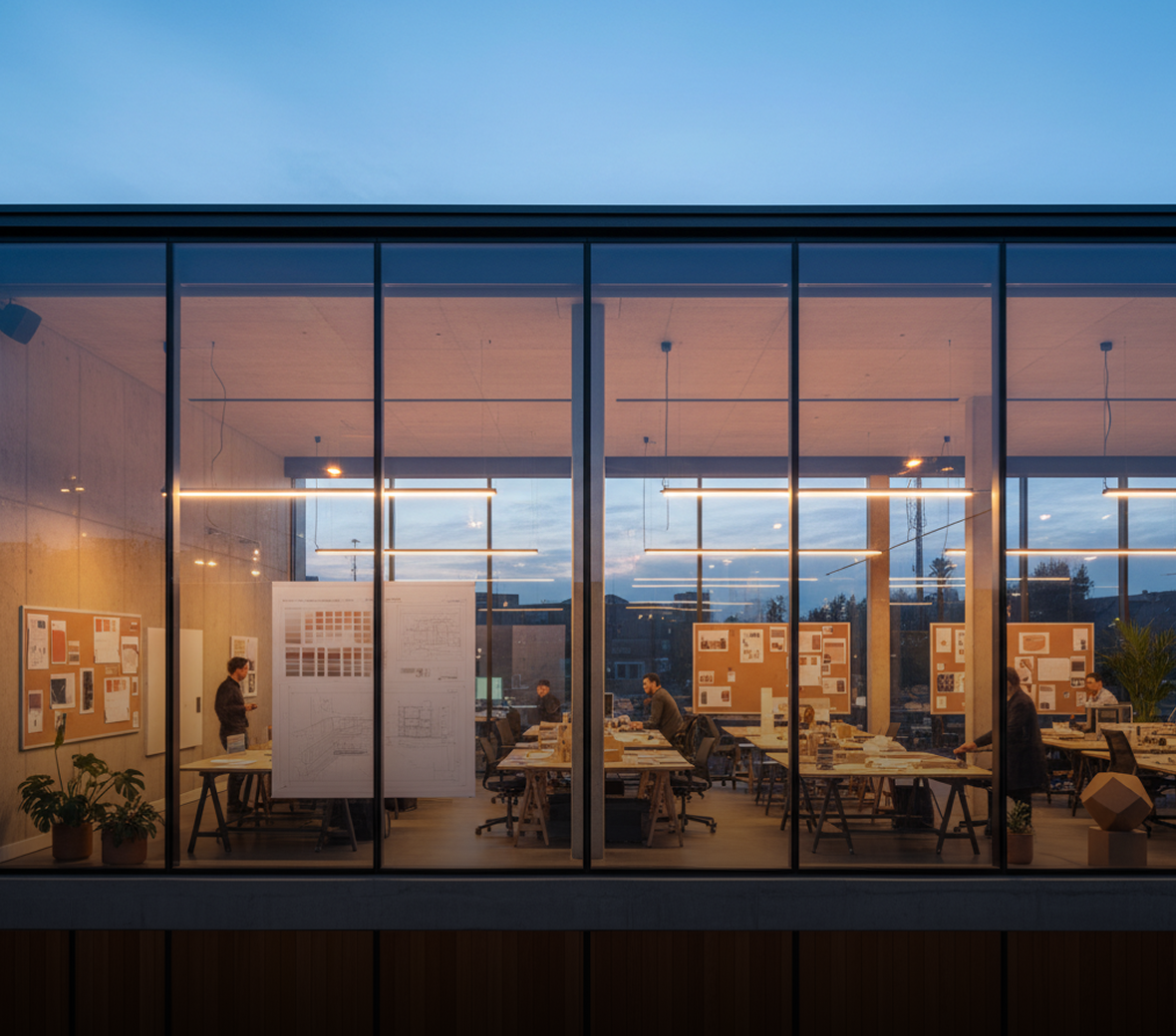
Brand identity starts with the business, not the design. UpSpring maps where the company stands today, where it wants to go, and the clients, audiences, and competitors that shape the route between them.
Brand Intelligence
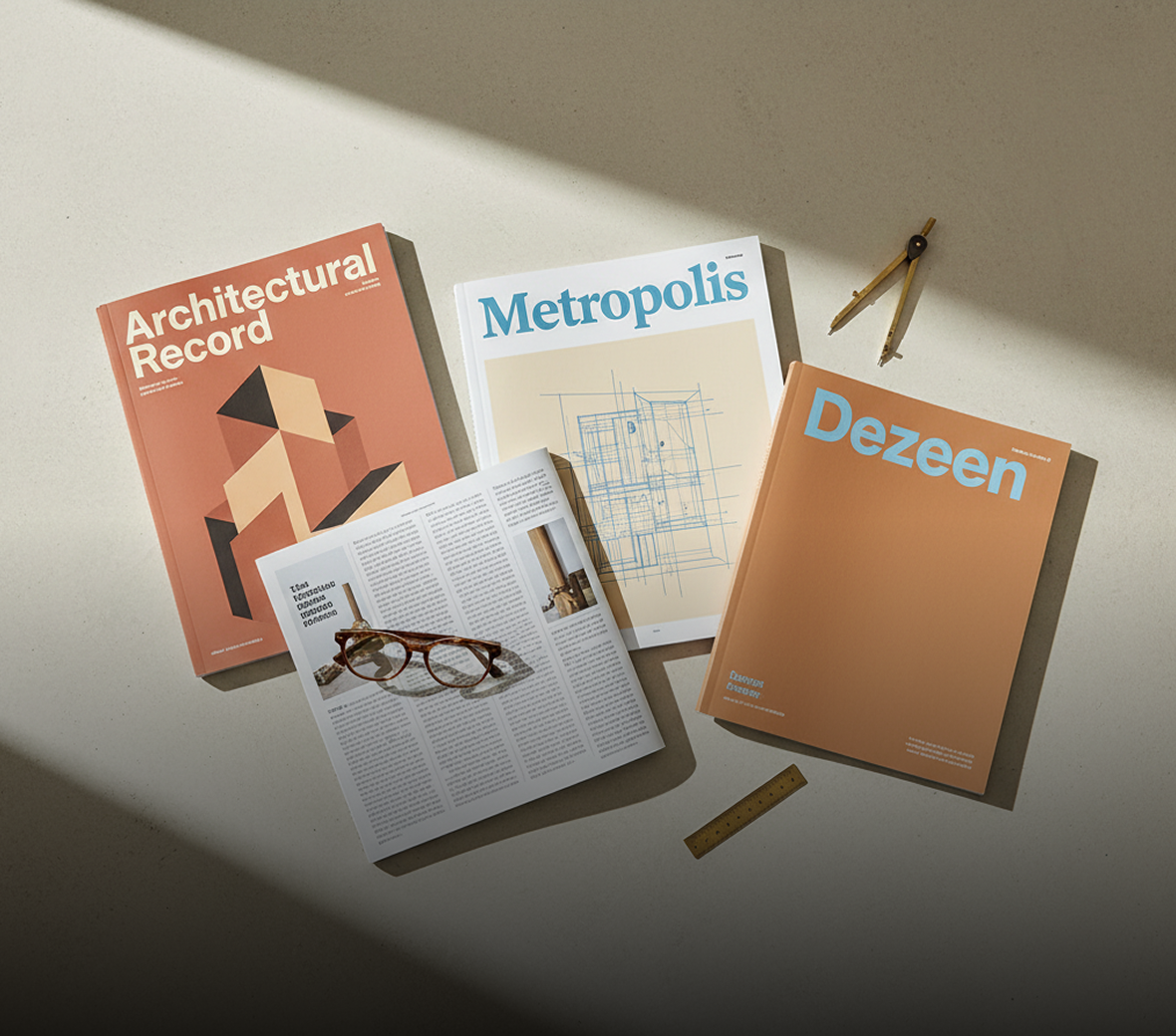
The company's own documents show how it really operates. Proposals won and lost, sales goals, forecasts, collateral, and press coverage become one body of intelligence behind every brand decision.

Creative Direction
Strategy becomes visible before the identity is set. UpSpring presents three distinct directions, each a different expression of the brand, each tested against the business before the company chooses one.
Visual Expression
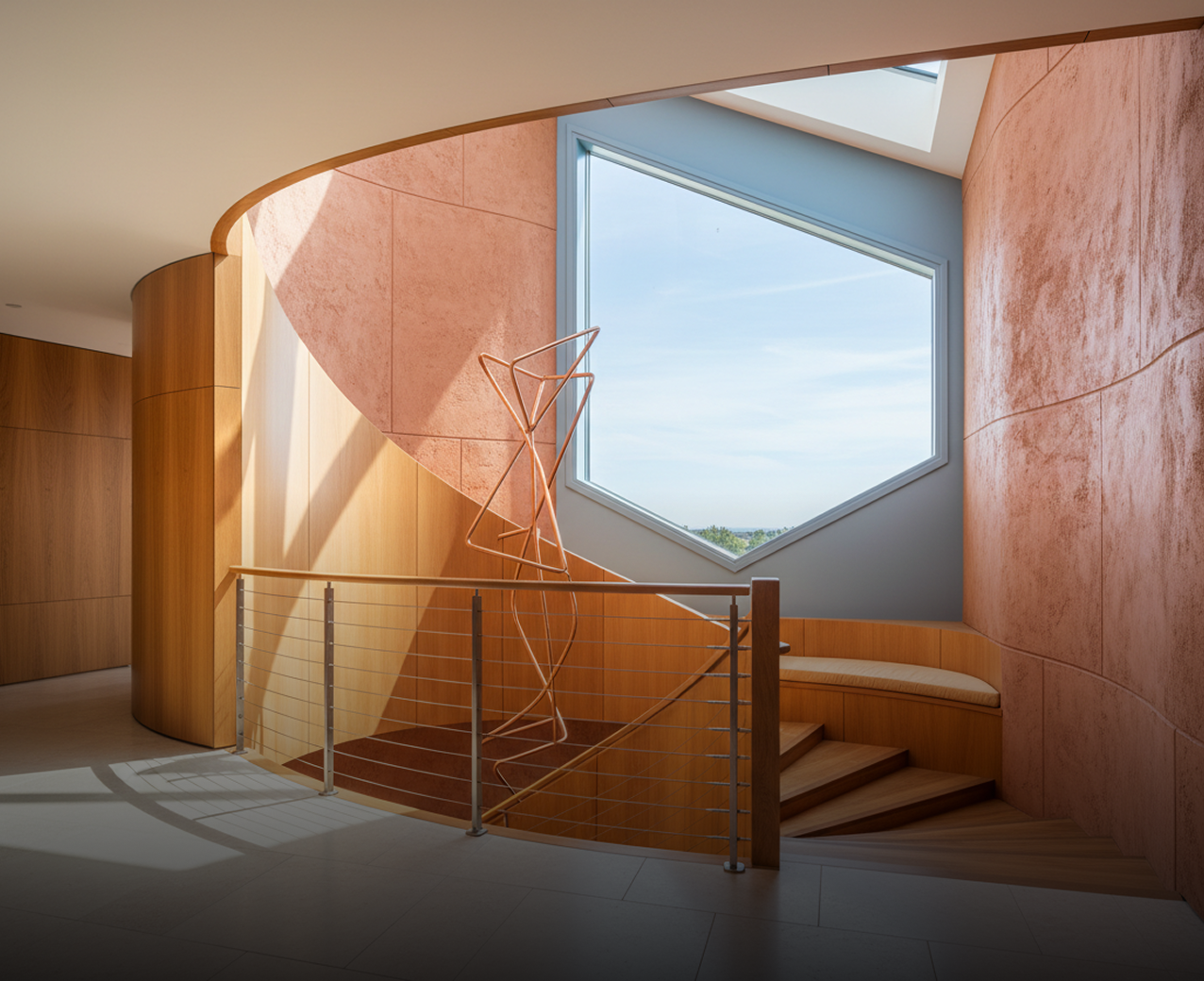
A brand has to work wherever the company shows up. Color, type, and design become one complete system, proven across the collateral that matters, from the business card to the trade show floor.
What you walk away with:
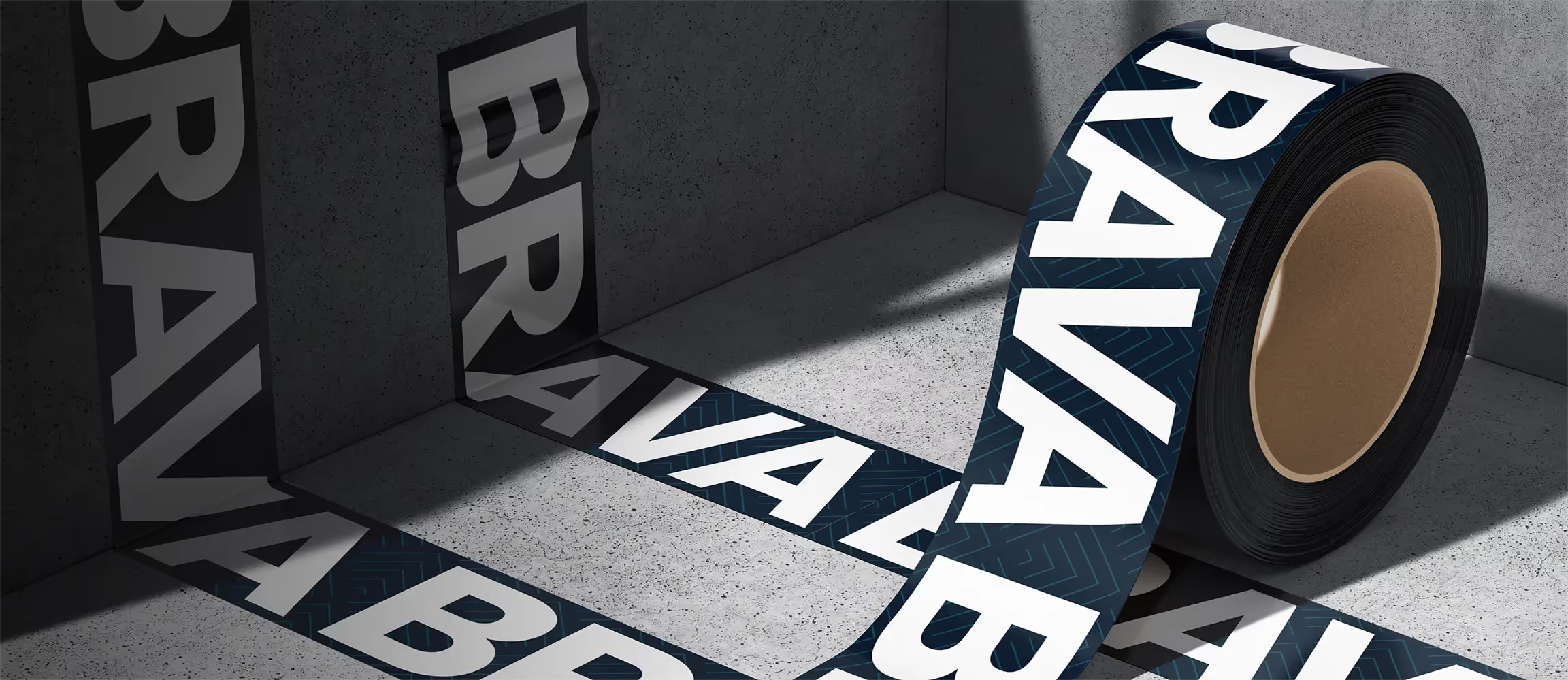
BRAVA
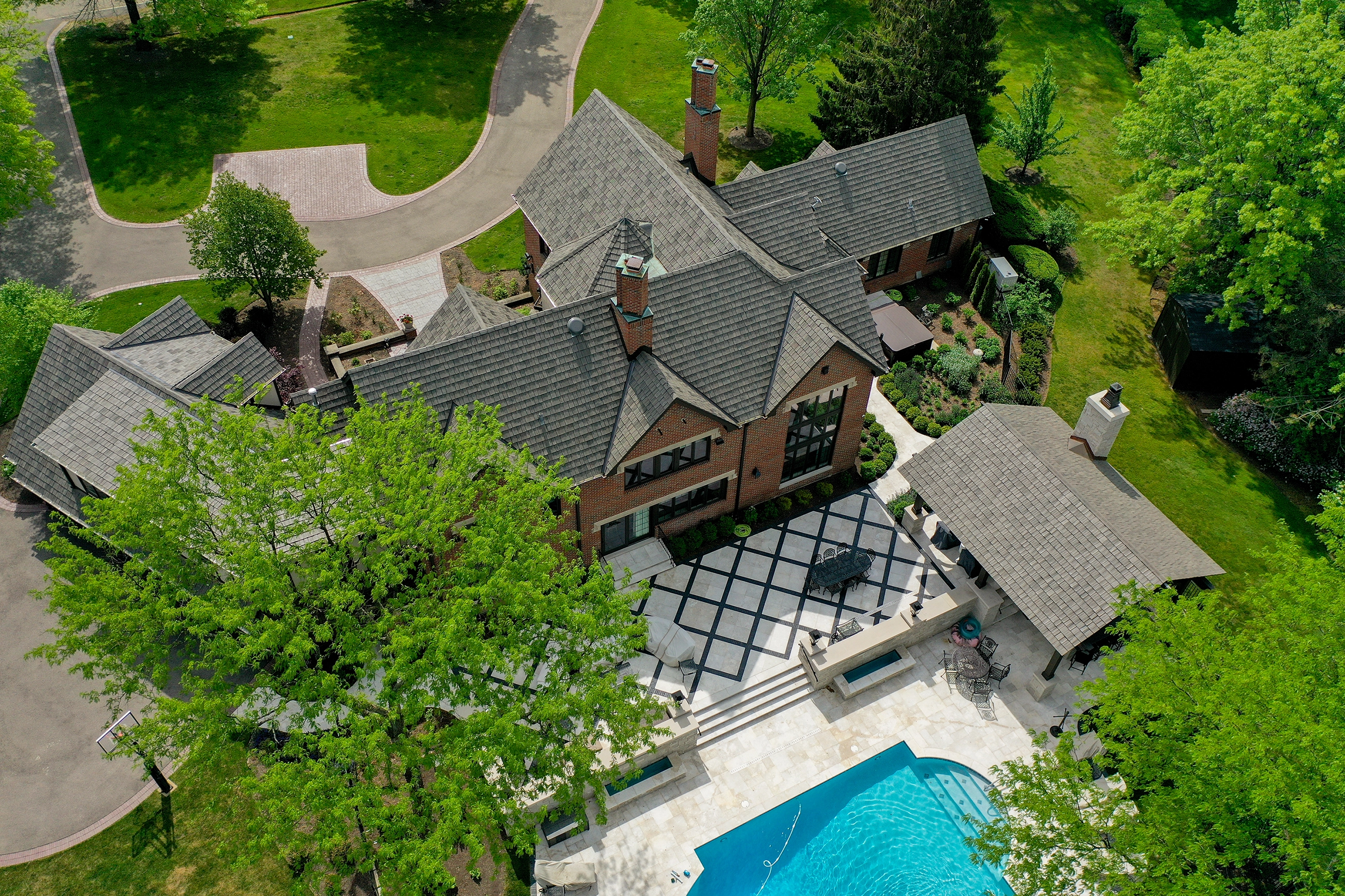
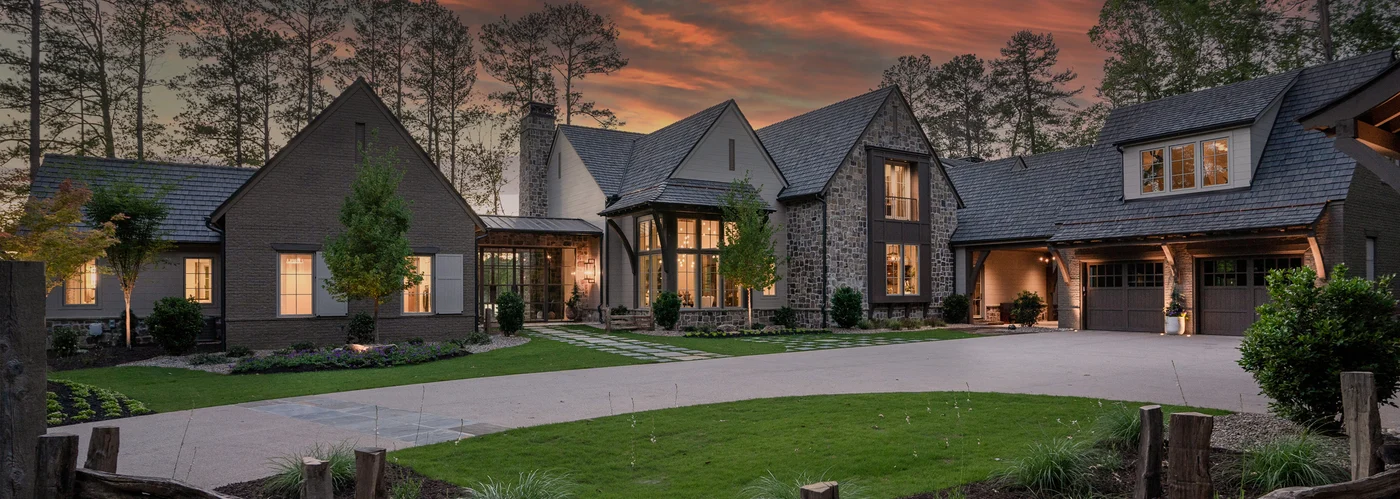
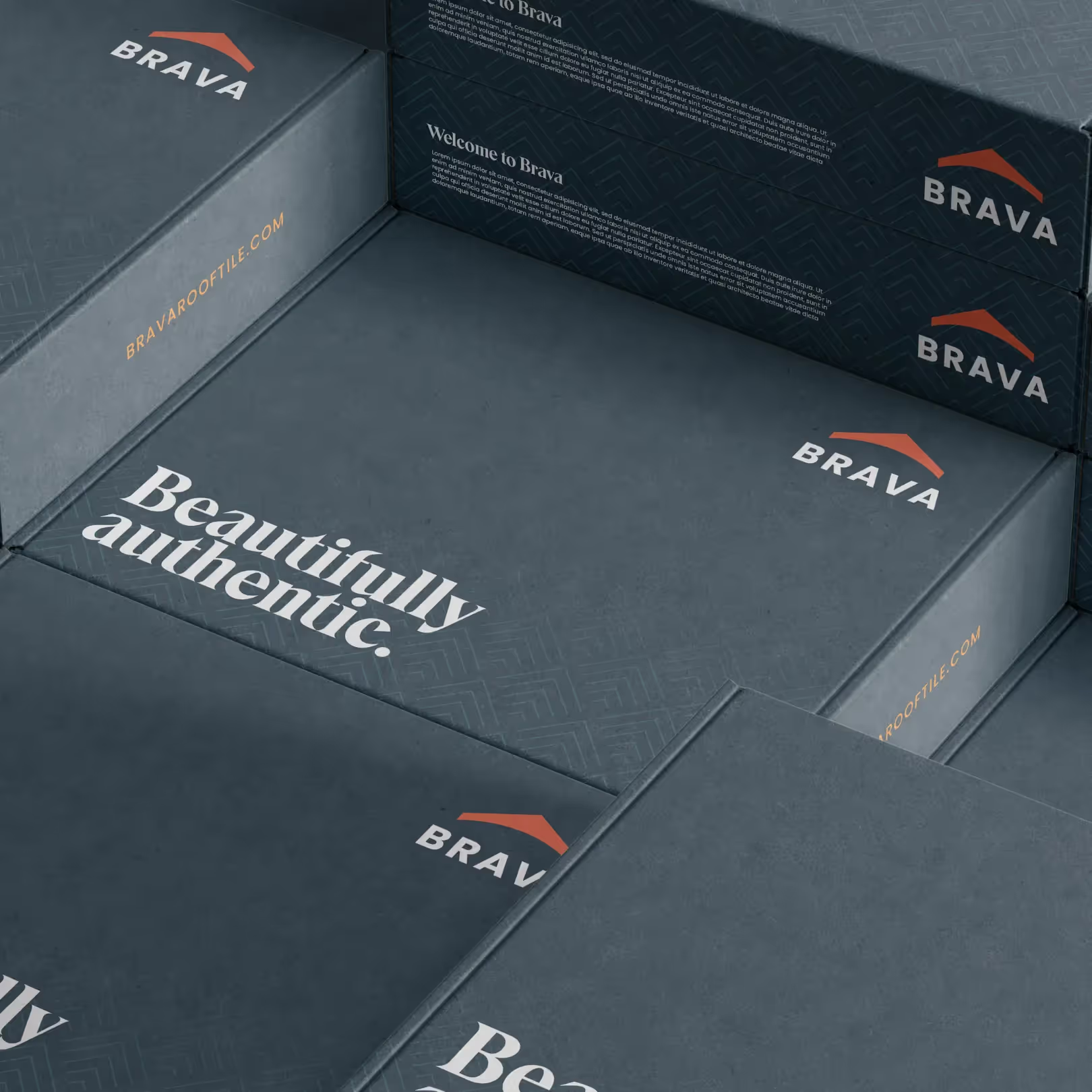
The repositioning helped Brava reach the premium homeowner while strengthening the value story contractors could bring to the sale. The company emerged as a recognized leader in sustainable roofing, with a brand that finally reflected the quality, performance, and price of its products.
Strategy
Conversation.

01
What is branding and creative, and how is it different from a new logo or website?

A logo is an output. Branding is the position underneath it: what the company stands for, who it is for, and how it shows up across everything a client sees. The logo, the color, and the voice are all expressions of that. Treating the logo as the whole job tends to fix the surface and leave the cause in place.
02
Can you build a brand for a sector or market we have not entered yet?
Yes, and it is a frequent reason firms and manufacturers come to us. A brand is built for where the company is going, not only for where it has been, so it can stretch into an adjacent vertical without starting from scratch. A product line perfected for hospitality can be repositioned for senior living. Deep residential expertise can move into multifamily. The brand makes the company a credible option in a category that has not yet considered it.
03
How does branding work for architecture firms?
Architecture firms tend to assume the portfolio does the selling. On a shortlist, it rarely does, because every firm in contention has strong work. What separates the firm that gets the call is whether the market already understands what it stands for: its point of view, its expertise, the kind of client it serves best. Architecture firm branding spells out what the project photography cannot, so a principal walks into the interview known for something specific rather than being judged cold against firms that look, on paper, the same.
04
How does branding work for interior design studios?
For an interior design studio, growth can feel like a threat to the creative identity the practice was built on: more visibility, bigger projects, a brand that might flatten what makes the work singular. Done well, branding does the opposite. It sharpens what makes the studio distinct and takes it upmarket, toward the boutique hospitality and higher-fee work a strong residential practice is ready for, and into the publications that decide who gets seen, from Interior Design to Architectural Digest. The studio becomes more itself, in front of better clients.
05
What does the process look like from start to finish?
UpSpring calls it the Brand Identity Immersion. It runs in three phases.
Discovery. Before anything visual, a clear-eyed look at where the company sits today, where it wants to go, and what its current brand is telling the market. Built from the company's own files: proposals won and lost, sales targets, and an audit of existing materials.
Creative Development. The diagnosis becomes design. The team develops three mood-board directions, the firm selects one, and that route is built out into the mark, color, type, and visual system.
Brand System and Rollout. The final guidelines package: logo files, color, type, and the rules that keep the brand consistent wherever it appears, plus the brand shown in context. Not a logo file. A system the whole organization can run on.
06
How long does this take?
Plan for 10-12 weeks from kickoff to a finished brand system. The bulk of that is the creative itself: developing the directions and refining the one you choose. Shifting how the market actually sees you takes longer as the new brand works its way through every channel.
07
What is the difference between branding and brand positioning?
A brand position is the decision about where a company sits in its market and why. Branding and creative are how that decision becomes something people can see and feel: the identity, the system, the collateral. One is the argument, the other is the expression. They work together, because a refreshed look with no position behind it is just decoration, and a sharp position no one can see never does any work. UpSpring sets the position first.
08
When does a firm or manufacturer need branding?
A few moments make the need obvious. A company is moving into a new sector and needs the brand in place before the portfolio is. The brand has visibly fallen behind the quality of the work. Or a sale is on the horizon, and the brand is part of the value being built. There is also a quieter trigger for category leaders: each new generation of designers and architects arrives without the loyalties of the one before, so a brand that has held the spec for years still has to win over people choosing for the first time.
09
What does branding look like for a building product manufacturer?
Manufacturers invest everything into product performance and assume it will speak for itself. It will not. Specification is a trust decision, made before the product is ever seriously evaluated, and the brand is what earns that trust. The work builds a brand strong enough to reach specifiers and designers who were not already looking, and clear enough to make a technical product land without a long explanation. Most of it plays out along the path to specification: what the A&D world needs to understand, where they need to encounter it, and whether the story stays the same from the trade press to the show floor to a rep's conversation with a designer. That is the work of a manufacturing branding agency that knows the built environment: building the brand around how the product gets specified, not just how it looks.
10
Do you take on creative projects that are not a full rebrand?
Often. Many companies are happy with their brand but need the creative horsepower they do not have in-house. UpSpring produces print collateral such as brochures, swatch books, sample binders, and direct mail, digital assets including social and paid media graphics, email templates, and website mockups, and sales enablement such as sell sheets, proposals, presentations, and trade show creative and swag. The brand the company already has carries over to every surface that matters.
11
Does this work if we already have an internal marketing team?
Yes. UpSpring is built to work with an internal team, not replace it. The engagement gives that team the senior creative and strategic horsepower it would otherwise have to hire for. For a fully staffed team, UpSpring is the outside perspective and big-creative thinking an established group wants in the room, the partner that sharpens the work without the politics of being inside it. For a smaller or under-resourced team, UpSpring extends the group without adding salaries, benefits, or payroll, taking on the writer, the graphic designer, or the senior strategist they do not have on staff. Either way, the internal team comes out stronger, and a smaller one accomplishes more.
11
How do we get started?
It begins with a short call with our senior leadership, thirty minutes on where the business is headed and whether branding is the right starting point. The details are in the section just below.