Web Design
Web Design for the Built Environment
The website does the talking when no one from the brand is in the room. Web design decides how well.
But your website is also one of your most important living touchpoints. It should continually evolve to help the right audiences find you, understand your value, and take the next step.
For architecture and design firms as well as product manufacturers in the built environment, that means creating a more personal experience for each audience. The right projects, products, expertise, and proof should meet prospects at every stage, answering their questions, building confidence, and giving them a clear reason to take the next step.
This is not simply a website redesign. It is the work of closing the gap between how your business has evolved and how it shows up online, creating a living platform that nurtures prospects, supports sales, and helps both people and AI tools understand why you belong on the shortlist.

Leads that arrive educated instead of cold.
Fewer obstacles between a visitor and a conversion.
The wrong-fit client ruling itself out.
A site the sales team trusts and AI cites.
That is the difference between having a website and having one that works.
It also compounds. A site that is kept current keeps earning its place: the specifier who returns finds new work waiting, and the client who checks back reads momentum rather than a homepage from two years ago. The same upkeep matters to the newest reader in the mix, because when a designer or an end-user asks an AI tool who to consider, the answer comes partly from the site, and only what is there can be cited. Maintained, a site becomes an asset that appreciates. Left alone, it turns into a quiet cost the business pays every day it goes out of date.

The Business
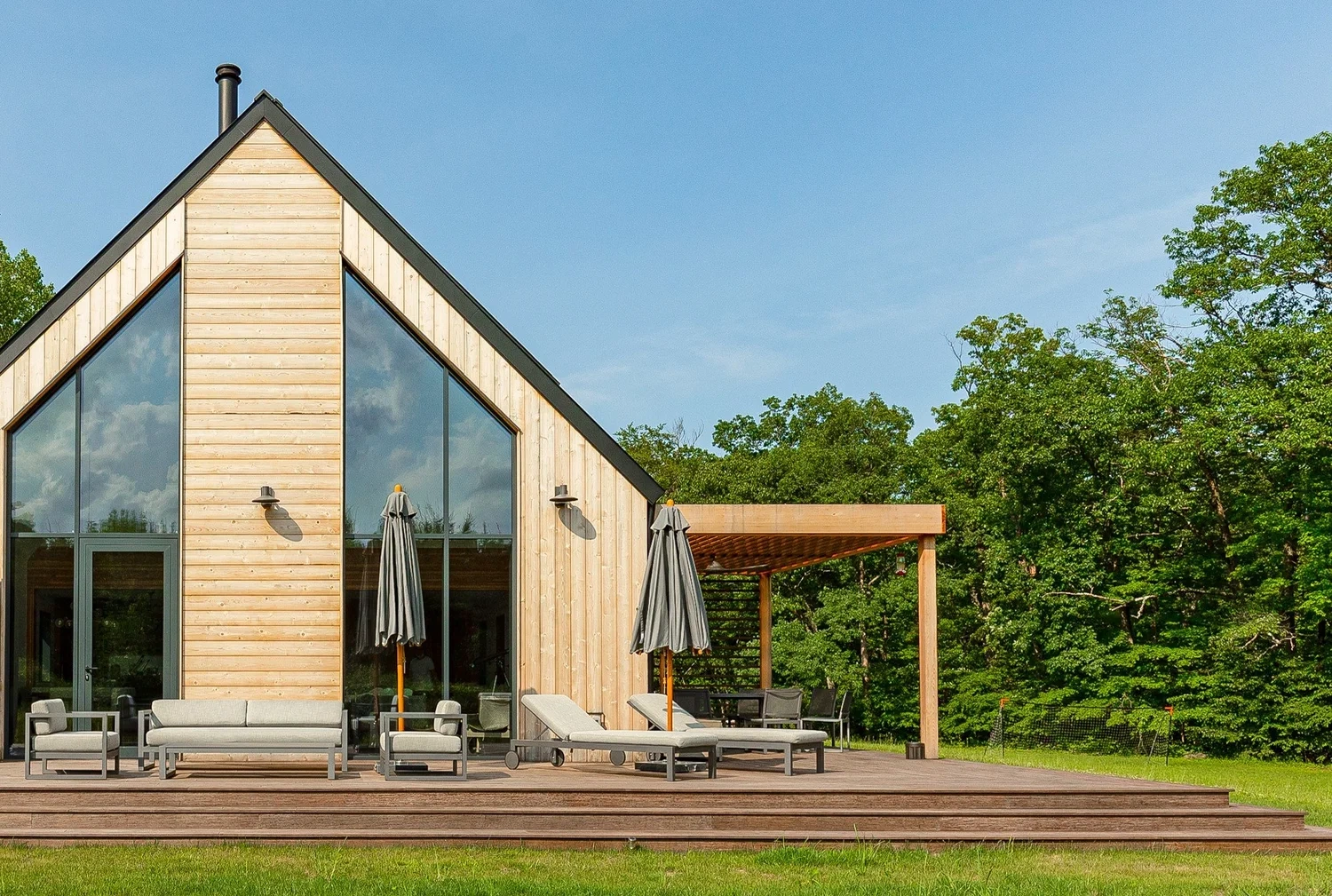
A website starts with the business goal, not a template: a new sector, larger clients, a product to protect from being value-engineered out. Everything after, strategy, content, and design, is built to move the right prospects toward that goal.
The Audit
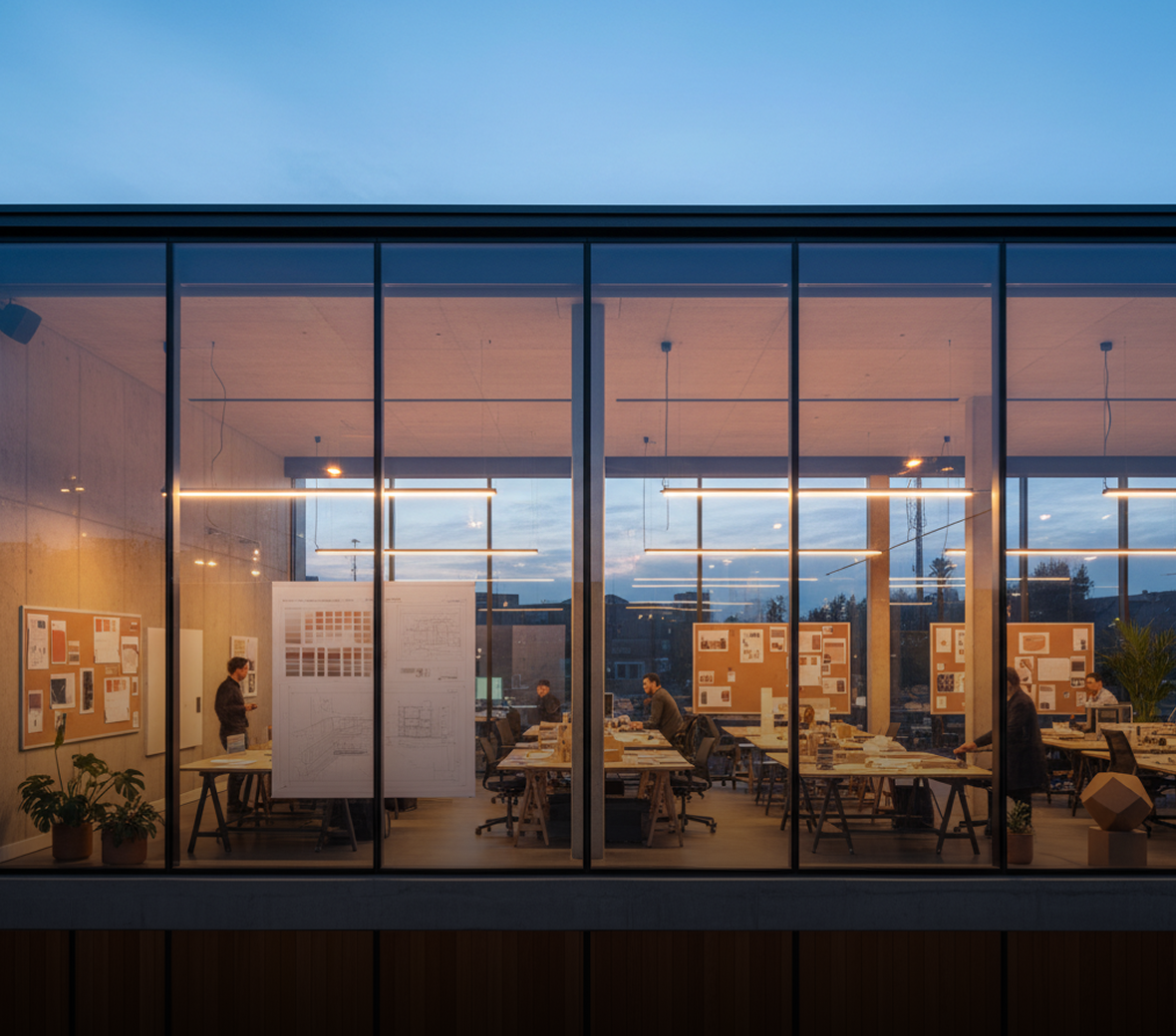
The audit reads the current site against the competition, the business, and the people who actually decide, including the internal team that lives in it daily. It pinpoints where the site slows a visitor down and the questions it leaves unanswered.

The Strategy
The findings become the plan: the sitemap, the content strategy, the platform, and the functionality the site needs. Settling the hard calls here, from platform to positioning, is what keeps a complex build from going sideways later.
The Build
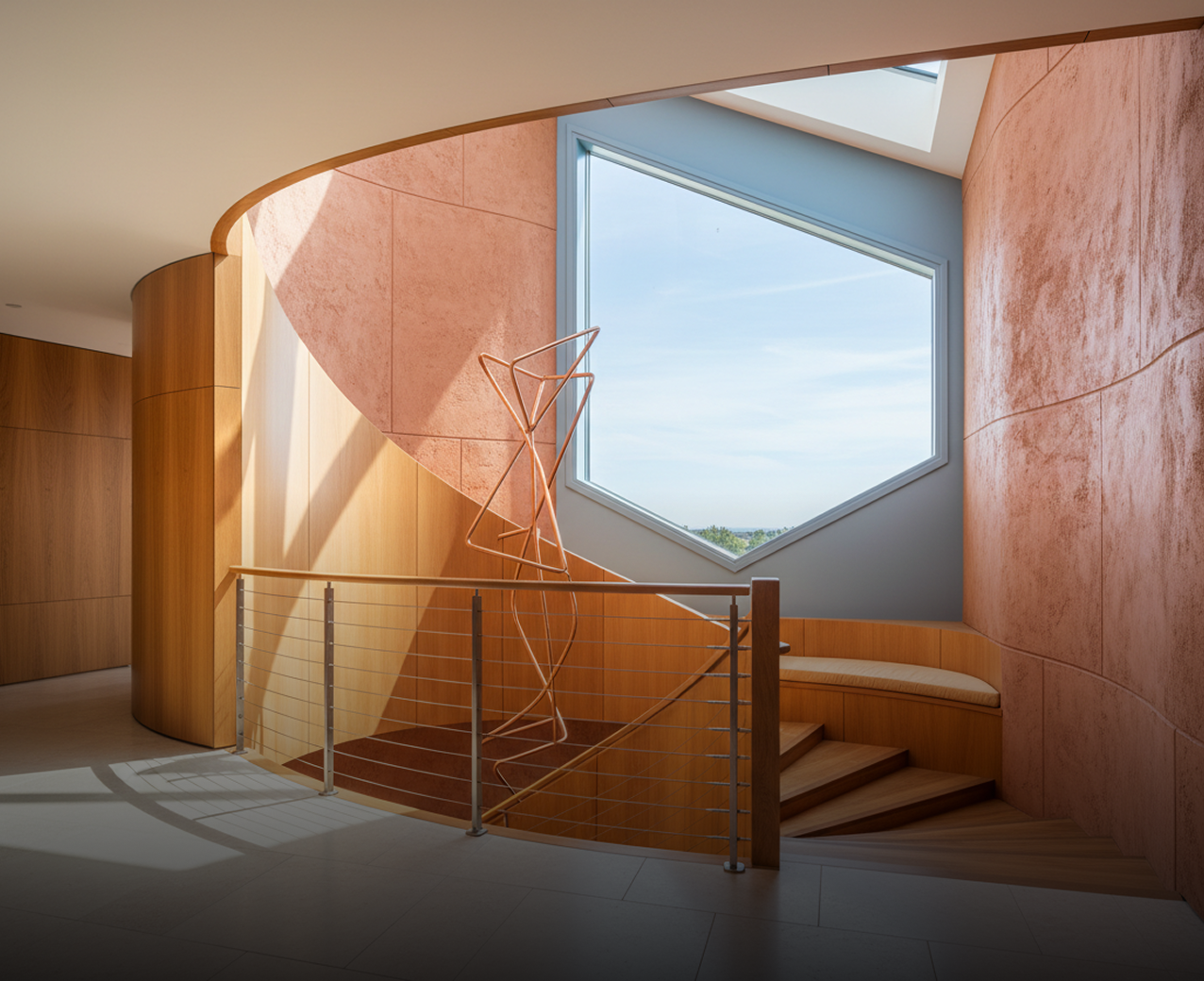
The homepage comes first and sets the tone, then the rest of the site follows it, designed in batches so each decision carries across. UpSpring writes the copy for the audience and for search, brings in the photography, and launches the site tested and ready to be found and cited.
What you walk away with:

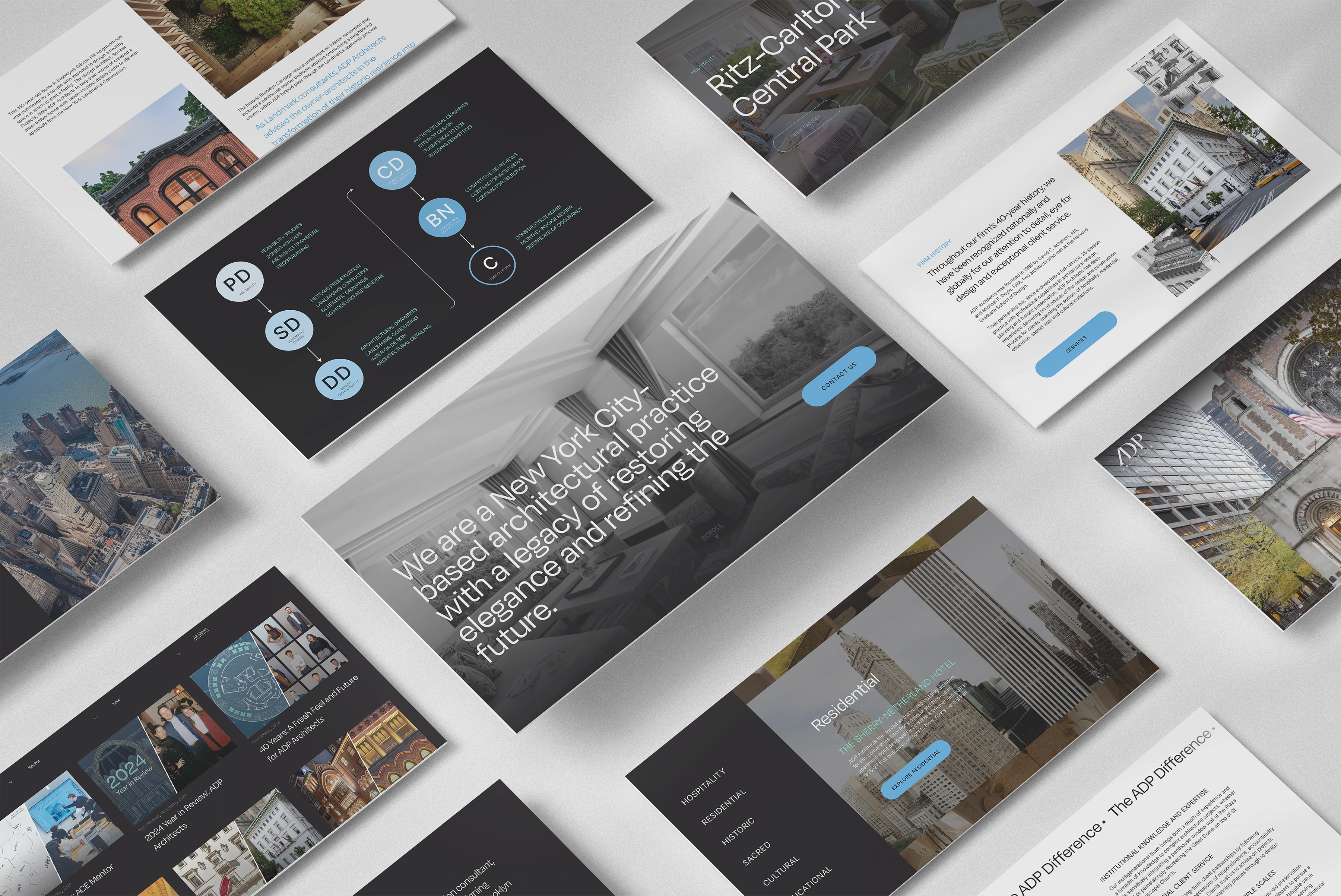
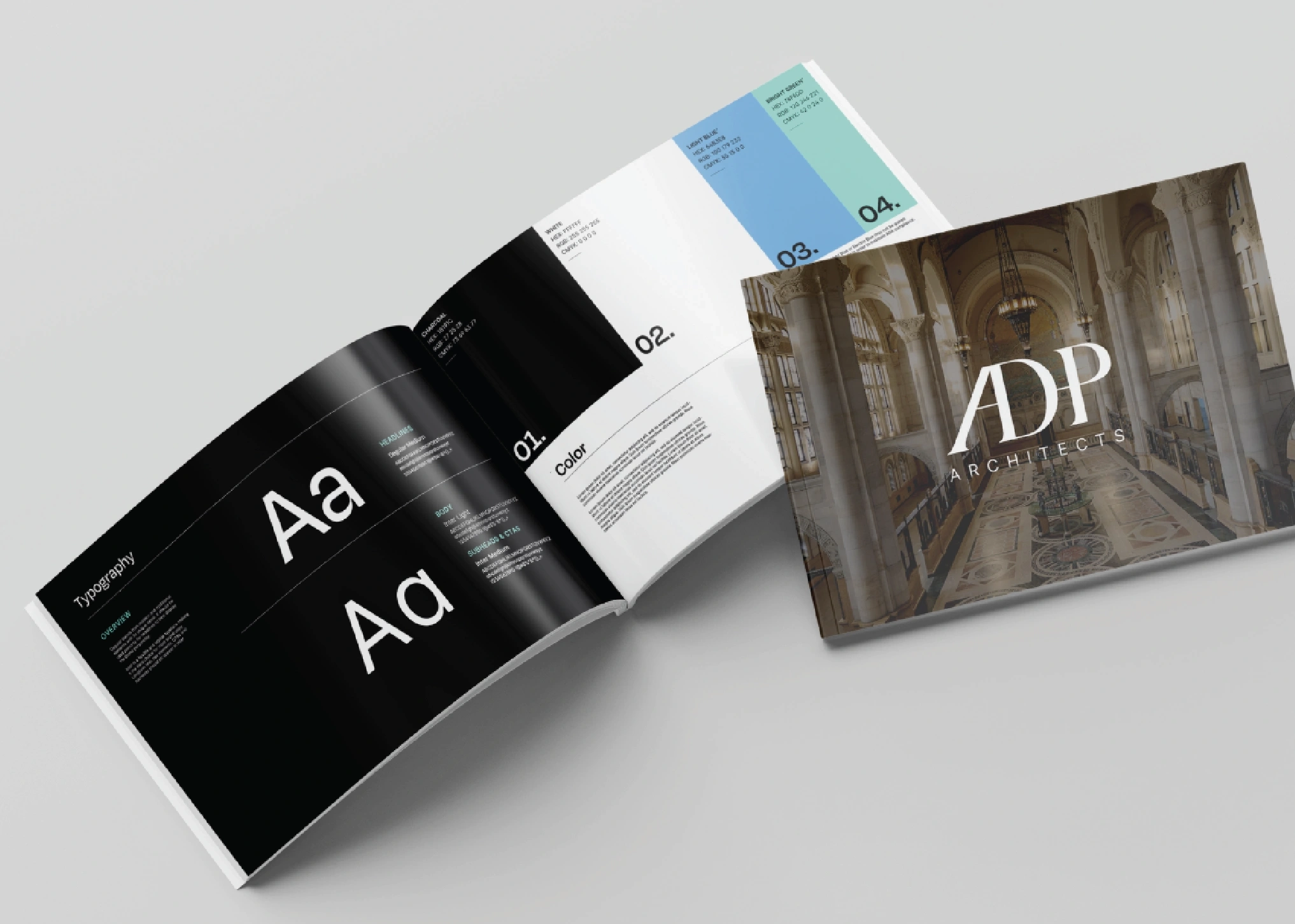
ADP Architects

01
Why hire a web design agency that specializes in the built environment instead of a general one?

A general agency can build a handsome site, but it learns your industry while you pay for the education. A built-environment specialist starts knowing how the work actually gets won: that an architecture firm is judged on a gut-check as much as a portfolio, and that a manufacturer is often not even in the room when its product is specified. The site gets built around that reality, not around a template.
02
We're entering a sector where we don't have projects yet. Can the website still make us credible there?
Yes, and it is one of the more common reasons firms and manufacturers come to us. A site does not have to wait for the portfolio to catch up. Built to look forward rather than just catalog past work, it can establish credibility in a new sector through the firm's point of view, its expertise, and content written in that sector's language, the case the finished projects cannot make yet. Done well, it turns the company into a credible option for someone who has never encountered it, and a name that comes up when a specifier or client in that category turns to an AI tool.
03
What should an architecture firm's website do besides show the work?
Show what the work cannot say on its own. A portfolio tells a prospective client what a firm has built; it does not tell them what the firm stands for, how it thinks, or where it wants to go. That gap is what web design for architects has to close: making clear what the firm stands for and the work it wants next. Do that well, and a principal walks into the first conversation already known for something specific, not sized up cold against firms whose projects look the same. It is also a quiet gut-check on both sides, the client deciding whether to call and the prospective hire deciding whether to apply, and a sharp site draws the right ones in while sending the wrong-fit ones elsewhere, which is a win either way.
04
How does our website get us considered for higher-caliber projects and clients?
For a design firm, the website is itself evidence of taste, and high-end clients and editors judge the firm by it long before they reach out. A site that lags the work quietly caps how far the firm gets considered. Built to the level of the work, it does the opposite: it makes the case for the larger commissions and new sectors the firm is ready for. That is what web design for interior designers has to earn, being taken seriously at the tier above where the firm sits today.
05
What does our website need to do when we're not in the room for the spec?
Most of the selling. The moment that matters is the one where the company is not in the room: the specifier researches alone, a purchasing agent you will never meet weighs the options, and often you do not know you were in the running until you were value-engineered out. The site has to do the rep's job without the rep, putting brand differentiation and spec information in one place, making the case for the product without a conversation, and structuring content so the AI tools designers use to shortlist cite the brand accurately. It also has to work for the internal team, since the reps live in it daily. Good website design for manufacturers is measured not by how it looks, but by whether it sells and specifies on its own.
06
What does the process look like from start to finish?
The Business. Every site is built backward from a business goal, whether that is a new sector, larger clients, or protecting a product from being value-engineered out.
The Audit. A clear read of the current site: how it compares, where it loses people, what it fails to answer, and how the internal team uses it.
The Strategy. The findings become the plan for sitemap, content, platform, and functionality, with the hard calls settled before design starts.
The Build. The homepage sets the tone, the rest is designed in batches, and the site launches tested and ready for search and AI.
07
How long does this take?
Most sites run twelve to twenty weeks from kickoff to launch, depending on the size of the site and how ready the content and assets are. That is the build. The market's response builds over the months after launch and keeps improving as the site stays current.
08
What platform do you build on, and do we need a custom site or WordPress?
UpSpring is platform-agnostic and chooses the system that fits how the team actually works, most often something a non-technical person can update without a developer. A custom build is expensive to run and slow to change. The goal is a high-functioning site a CEO can update at two in the morning, with the integrations the business relies on built in. The instinct that a heavier platform signals a more serious business is usually backwards. The serious site is the one that gets kept current.
09
What is the difference between a website project and a rebrand or brand positioning?
Brand positioning is the decision about where a company stands in its market. Branding is how that decision looks and feels. The website is where both turn into something a prospective client or specifier can move through and act on. The three depend on each other: a site built on an unclear position is a well-designed page that says nothing, and a sharp position with no site to live on never reaches the people who decide. UpSpring sets the position first when it is not already in place, then builds the site to hold it.
10
Will the site be ready for search and AI, and what about ongoing SEO?
Yes. Every site launches ready to be found: UpSpring's content engineer sets the keyword framework and structures the content while the site is built, so search engines and AI tools can read it from day one. Being found in AI has two sides, and the site is built for both. One is getting cited as a source when an AI tool answers a question (generative engine optimization, or GEO). The other is being the direct answer itself, including in Google's AI overviews (answer engine optimization, or AEO). GEO earns a seat at the table; AEO makes sure you have the last word. Staying there is its own work: keeping the site ranking and visible months and years later is ongoing SEO and content, which UpSpring offers as a continuing service.
11
What do you handle, and what stays with us?
UpSpring handles the strategy, the design, the copy, the build, and the search-and-AI setup through launch. Hosting and email management stay with the client's own providers on purpose: they are contracts and infrastructure better owned in-house, and keeping that line clean keeps the engagement focused on the work that moves the business. Anything requiring custom development beyond the chosen platform is scoped separately or handed to a specialist developer.
12
How do you measure whether a website is working?
Not by traffic alone. The clearest signals are softer and more telling: the quality of the inquiries the site brings in, and how far along the person is by the time they reach out. When the questions stop being “do you even do this” and start being “here is our project,” the site is working. The other read is fit. A sharp site pulls in more of the right work and fewer of the wrong inquiries, so the pipeline improves even when the traffic number holds flat. The truest measure is whether the firm or manufacturer is getting considered for the work it actually wants.
13
Does this work if we already have an internal marketing team?
Yes, and the site is where working alongside a team pays off most, because it is the home base every other effort points back to. For a fully staffed team, UpSpring brings the senior strategy, the big-creative direction, and the outside perspective an established group wants in the room, and hands back a site the team owns and runs. For a smaller team, UpSpring runs the build end to end so a lean group is not forced to choose between the website and everything else on its plate. Either way, the audit and strategy mean UpSpring comes out the other side knowing the business well enough to keep partnering on where it goes next.
14
How do we get started?
A thirty-minute conversation with UpSpring's senior leadership about where the business is headed and whether the website is the right place to start. The detail is in the section just below.